Functional Materials in the Media: Magnetic Cooling in Podcasts and Press
2026/09/03

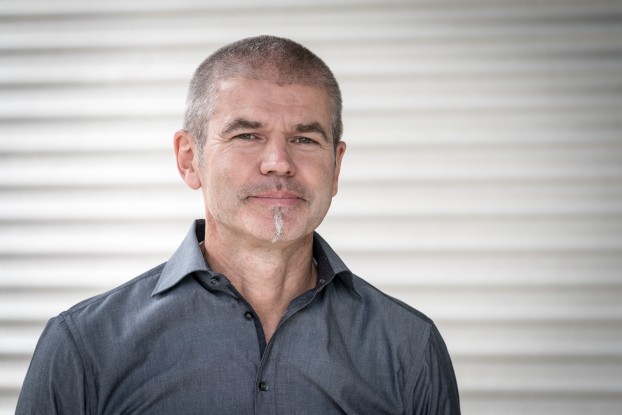
In the hr INFO podcast “Das Thema: Cool in die Zukunft – Wie wir Hitzeschutz neu denken”, Prof. Oliver Gutfleisch discusses magnetic cooling in the broader context of future cooling technologies. He explains how magnetic materials and water can be used instead of conventional refrigerants and addresses the potential of the technology for more sustainable and energy-efficient cooling.
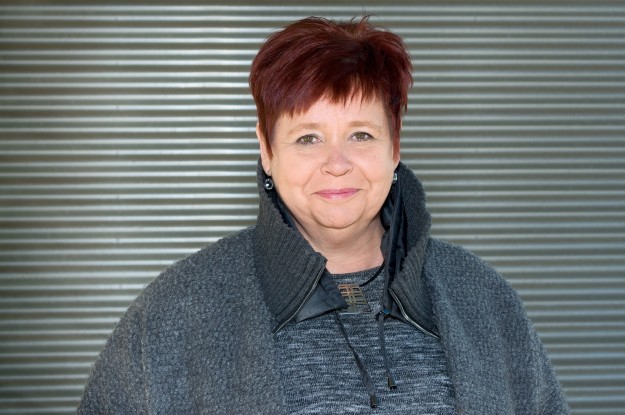
In a dedicated episode of the science podcast “Forschungsquartett” by detektor.fm, Dr. Benedikt Beckmann takes a closer look at the materials science behind magnetocaloric cooling. The interview covers the magnetocaloric effect and the cooling cycle, requirements and current developments in magnetocaloric materials, the transfer from materials research to practical cooling devices, and future applications from commercial refrigeration and data-centre cooling to hydrogen liquefaction. The episode was also published by Spektrum der Wissenschaft.
Listen to the podcasts
hr INFO – Das Thema
Cool in die Zukunft – Wie wir Hitzeschutz neu denken
Prof. Oliver Gutfleisch on magnetic cooling as a future cooling technology.
ARD Sounds
detektor.fm – Forschungsquartett
Magnetkühlung – Der Kühlschrank der Zukunft?
Dr. Benedikt Beckmann on magnetocaloric materials, magnetic refrigeration and future applications.
detektor.fm
Spektrum der Wissenschaft
Further media coverage
Magnetocaloric cooling and the work originating from Functional Materials have also recently been featured in the German press. DER SPIEGEL reports on the development of solid-state cooling technologies and features Prof. Oliver Gutfleisch on the potential of magnetocaloric cooling. Frankfurter Allgemeine Zeitung (FAZ) takes a closer look at cooling without conventional refrigerants and the practical implementation of magnetic cooling by the TU Darmstadt spin-off MAGNOTHERM.
DER SPIEGEL – “Klimaanlagen mit Festkörperkühlung: So funktioniert die nächste Generation der Geräte”
FAZ – “Kühlen ohne Kältemittel: So funktioniert die Klimaanlage der Zukunft”